


-

Add: HeBei ShengShi HongBang Cellulose Technology CO.,LTD.
-

Email
13180486930@163.com -

CONTACT US
+86 13180486930



Rubber powder is a versatile and high-performance material widely used across various industries. Known for its excellent properties, rubber powder is derived from the recycling of waste rubber products and can be used to enhance the properties of a variety of products, including construction materials, automotive parts, and industrial goods. Whether you are looking to improve the strength, flexibility, or durability of your products, rubber powder is the solution you need. Explore the various benefits and applications of this innovative material, and make your products stronger and more sustainable. Rubber Powder for Sale: High-Quality Options for Every Need Looking for rubber powder for sale ? We offer a wide selection of high-quality rubber powder products to meet the demands of various industries. Our rubber powder for sale comes in different grades and specifications, so you can find the perfect match for your needs. Whether you need rubber powder for construction, automotive, or any other application, our products are designed to deliver exceptional performance, durability, and cost-efficiency. Browse our range of rubber powder for sale today and get the best value for your projects. Natural Rubber Powder: Sustainable and High-Performance Natural rubber powder is made from renewable resources and is an eco-friendly alternative to synthetic materials. It offers a range of performance benefits, including enhanced flexibility, shock absorption, and resistance to wear and tear. Natural rubber powder is widely used in the manufacturing of rubber compounds, playground surfaces, sports tracks, and more. By incorporating natural rubber powder into your products, you can create sustainable solutions that do not compromise on performance. Choose natural rubber powder for superior quality and environmental responsibility in your applications. Nitrile Rubber Powder: The Ultimate Solution for Industrial Applications When it comes to industrial applications, nitrile rubber powder is the go-to choice for many manufacturers. Known for its excellent resistance to oils, solvents, and chemicals, nitrile rubber powder is used in a variety of industrial products, including seals, gaskets, and protective coatings. By adding nitrile rubber powder to your materials, you can significantly enhance their durability and performance, especially in environments exposed to harsh chemicals and extreme conditions. Whether you are looking to improve the longevity or the functionality of your industrial products, nitrile rubber powder is the ideal solution. Why Choose Our Rubber Powder for Your Projects? Our range of high-quality rubber powder products, including natural rubber powder and nitrile rubber powder , is designed to meet the highest industry standards. With years of expertise in the field, we ensure that every batch of rubber powder is carefully processed and tested for quality. Our products are available at competitive prices, so you get the best value for your money without compromising on quality. Whether you are in construction, automotive, or any other industry, we provide the right rubber powder to improve the performance, durability, and sustainability of your products. Trust us to supply you with top-quality rubber powder for all your business needs. Rubber Powder FAQs What is rubber powder used for? Rubber powder is widely used in various industries to improve the properties of products, including construction materials, automotive parts, and industrial goods. It enhances the flexibility, durability, and strength of materials, making it ideal for use in coatings, adhesives, and flooring. Additionally, rubber powder is commonly used in manufacturing rubber compounds, playground surfaces, and sports tracks due to its excellent shock absorption and wear resistance properties. Where can I buy rubber powder for sale? We offer a wide range of rubber powder for sale , including natural rubber powder and nitrile rubber powder , designed to meet the specific needs of your project. Browse our online catalog to discover the best options for your requirements, and reach out to us for further inquiries. What is natural rubber powder? Natural rubber powder is made from natural latex rubber, which is derived from the rubber tree. It is a sustainable, eco-friendly material used to enhance the properties of various products. Natural rubber powder is known for its excellent flexibility, impact resistance, and shock-absorbing qualities, making it an ideal choice for applications in construction, flooring, and rubber compounds. What is nitrile rubber powder and how is it used? Nitrile rubber powder is a type of synthetic rubber that offers superior resistance to oils, chemicals, and solvents. It is commonly used in industrial applications, including seals, gaskets, protective coatings, and various automotive components. Nitrile rubber powder is an excellent choice when durability and resistance to harsh conditions are required. Why should I choose your rubber powder for my projects? Our rubber powder products, including natural rubber powder and nitrile rubber powder , are sourced and processed to the highest standards to ensure exceptional performance. We offer competitive pricing and flexible options, making it easy for you to get the right rubber powder for your project. Whether you need rubber powder for sale for construction, automotive, or industrial use, we provide the highest quality materials that guarantee long-lasting results and improved product performance.
- 40000tons

Production
- 20+years

Experience
- 5000+㎡

Acreage

-
Understanding Anionic Polyelectrolyte Powder Properties, Applications, and Benefits Polyelectrolytes have emerged as significant materials in various industrial and environmental applications due to their unique properties. Among them, anionic polyelectrolyte powders are particularly notable for their ability to effectively interact with oppositely charged substances, making them invaluable in numerous formulations and processes. This article aims to explore the properties, applications, and benefits of anionic polyelectrolyte powder in detail. What is Anionic Polyelectrolyte Powder? Anionic polyelectrolyte powders are long-chain molecules that carry a negative charge when dissolved in water. These macromolecules are formed by the polymerization of monomers that contain sulfonate, carboxylate, or phosphate groups, which generate the anionic character. The negative charge allows these polyelectrolytes to attract and bind positively charged ions and particles, providing them with unique functionalities that are harnessed in various fields. Properties of Anionic Polyelectrolyte Powder 1. High Solubility Anionic polyelectrolytes are highly soluble in water, forming viscous solutions that are essential for many applications. 2. Charge Density The degree of anionic charge on the polymer can be adjusted during synthesis, allowing for customized properties to suit specific applications. 3. Thickening and Gelling Agent When added to solutions, anionic polyelectrolytes can significantly increase viscosity, acting as effective thickening agents. 4. Stability Across pH Anionic polyelectrolyte powders demonstrate stability over a broad pH range, making them versatile for use in various environments. 5. Biodegradability Many anionic polyelectrolytes are derived from natural sources, which often makes them biodegradable and environmentally friendly alternatives to synthetic chemicals. Applications of Anionic Polyelectrolyte Powder polyelectrolyte anionic powder 1. Water Treatment One of the most prominent applications of anionic polyelectrolytes is in water treatment plants, where they are used as flocculants to enhance the removal of suspended solids and pollutants. By neutralizing the charge of particles and promoting aggregation, they facilitate the sedimentation process, leading to cleaner water. 2. Paper and Pulp Industry Anionic polyelectrolytes are used in the paper manufacturing process to improve drainage, enhance retention, and increase the strength of paper products. 3. Cosmetics and Personal Care In the cosmetics industry, anionic polyelectrolytes serve as thickening and stabilizing agents in creams, lotions, and shampoos. They help enhance product performance while ensuring a pleasant texture. 4. Agriculture These compounds are also increasingly utilized in agriculture as soil conditioners and in controlled-release fertilizers. They improve soil structure and water retention while facilitating nutrient uptake by plants. 5. Oil Recovery In enhanced oil recovery techniques, anionic polyelectrolytes are employed to reduce interfacial tension and improve the flow of oil, thus increasing the efficiency of oil extraction processes. Benefits of Using Anionic Polyelectrolyte Powder - Cost-Effectiveness The use of anionic polyelectrolytes in various processes can lead to significant cost savings by improving efficiency and reducing material waste. - Environmental Safety As many anionic polyelectrolytes are derived from natural sources, they pose minimal environmental impact compared to their synthetic counterparts. - Customizability The ability to tune the charge density and molecular weight of anionic polyelectrolytes allows for custom formulations tailored to specific industrial needs. In conclusion, anionic polyelectrolyte powder serves as a multifunctional tool across industries, with applications ranging from water treatment to agriculture and cosmetics. Their unique properties, such as high solubility, charge density, and biodegradability, make them essential in promoting efficiency and sustainability. As industries continue to prioritize eco-friendly and effective materials, anionic polyelectrolytes will likely play an increasingly prominent role in the future of technological and environmental advancements.
-
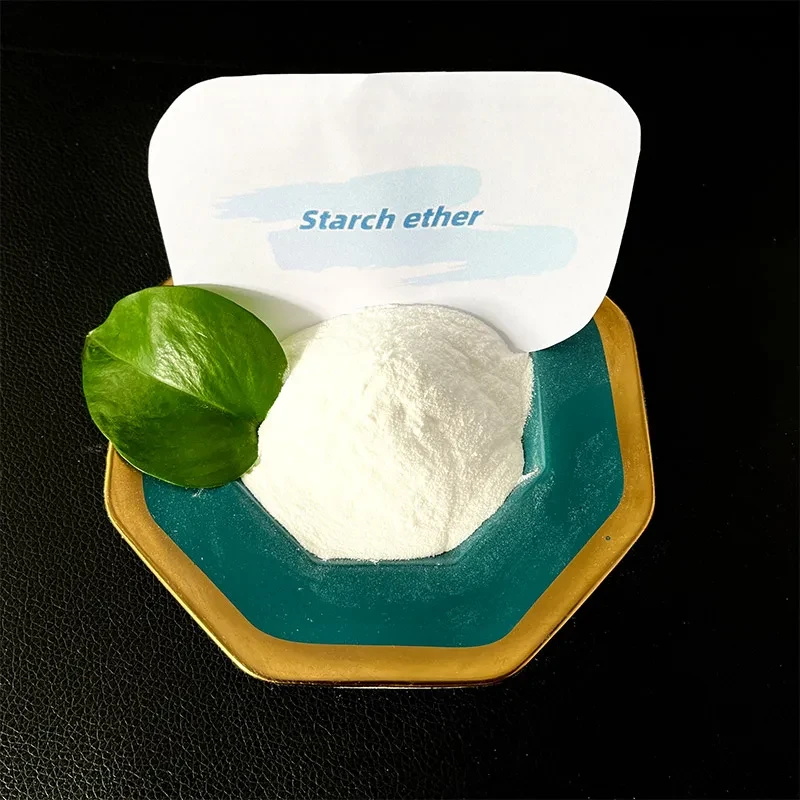
Starch Ether for Dry Mortar An Innovative Component in Construction Chemistry In the realm of construction, particularly in the field of dry mortars, the quest for improved performance, workability, and sustainability is a constant endeavor. Among the various additives utilized in the formulation of dry mortars, starch ether has emerged as a key component, revolutionizing the way we approach construction materials. This article will delve into the significance of starch ether, its properties, benefits, and applications in the building industry. Understanding Starch Ether Starch ether is a modified form of starch that has been chemically altered to enhance its performance characteristics. It is derived from natural starch sources, such as corn, potatoes, or tapioca, and then treated to introduce ether groups. This modification significantly increases its solubility in water and improves its thermal stability, making it an excellent additive for dry mixes. The Functionality of Starch Ether in Dry Mortars When incorporated into dry mortars, starch ether serves multiple functions that contribute to the overall performance of the mixture. The primary roles of starch ether include 1. Fluidity Improvement Starch ether enhances the workability of mortar mixtures by improving their fluidity. This is particularly beneficial for various applications where a consistent and smooth application is crucial, such as in tile adhesives, plaster, and rendering mortars. 2. Water Retention One of the most significant advantages of starch ether is its ability to retain water within the mortar mix. This property is vital for maintaining optimal hydration levels during the curing process, which subsequently enhances the strength and durability of the setting mortar. 3. Adhesion The use of starch ether increases the adhesive properties of mortars, ensuring that they bond securely to various substrates. This is essential for applications that require a strong bond, such as ceramic tiles or other decorative materials. . 5. Cohesion Cohesion between particles in the mixture is enhanced with the addition of starch ether. This contributes to the overall strength of the mortar once cured, making it less prone to cracking or failure. крахмальный эфир для сухого строительного раствора Environmental Benefits In recent years, there has been a growing emphasis on sustainability in the construction industry. Starch ether, being derived from renewable natural sources, aligns well with these goals. Its use can contribute to reducing the carbon footprint of construction materials, as it replaces some synthetic additives that may be less environmentally friendly. Moreover, the improvements in efficiency and performance can lead to less waste and better resource utilization during the construction process. Applications in Construction Starch ether is utilized across a variety of applications in the construction industry, particularly in - Tile Adhesives The enhanced adhesion and workability offered by starch ether make it ideal for tile adhesive formulations, providing a strong and reliable bond for various types of tiles, including porcelain and ceramic. - Plaster and Render In plaster and rendering applications, starch ether helps achieve a smooth finish while also retaining moisture for a longer period, promoting better curing and increasing the final strength of the product. - Self-Leveling Compounds The flow properties of self-leveling compounds are enhanced with the addition of starch ether, ensuring an even application that fills gaps and provides a stable surface for flooring. - Repair Mortars Starch ether is also beneficial in repair mortars, where it aids in bonding new material to old surfaces, ensuring effective repairs that last. Conclusion As the construction industry continues to evolve, embracing new technologies and sustainable practices, starch ether stands out as a significant innovation in the formulation of dry mortars. Its multifunctional properties not only enhance the performance of construction materials but also align with the increasing demand for environmentally friendly solutions. The integration of starch ether in dry mortars thus represents a promising advancement, paving the way for improved construction practices and higher-quality finishes.
advantages
-

200000 Viscosities
Excellent product
We can produce pure products up to 200,000 viscosities
-

40000 tons
High yield
We don’t stop production all year round, and the annual output can reach 40,000 tons
-

24 hours
Quality service
We provide 24-hours online reception service, welcome to consult at any time
———— Inquiry Form
Schedule A services

-
 pure_synthetic_fibre
Oct . 25, 2025
Understanding the Price of Dispersible Polymer Powder Trends and Implications The global market for -
 fiber_wrap_concrete
Oct . 25, 2025
Navigating the complex waters of supplements and their components can be daunting. However, one name -
 five_types_of_synthetic_fibres
Oct . 25, 2025
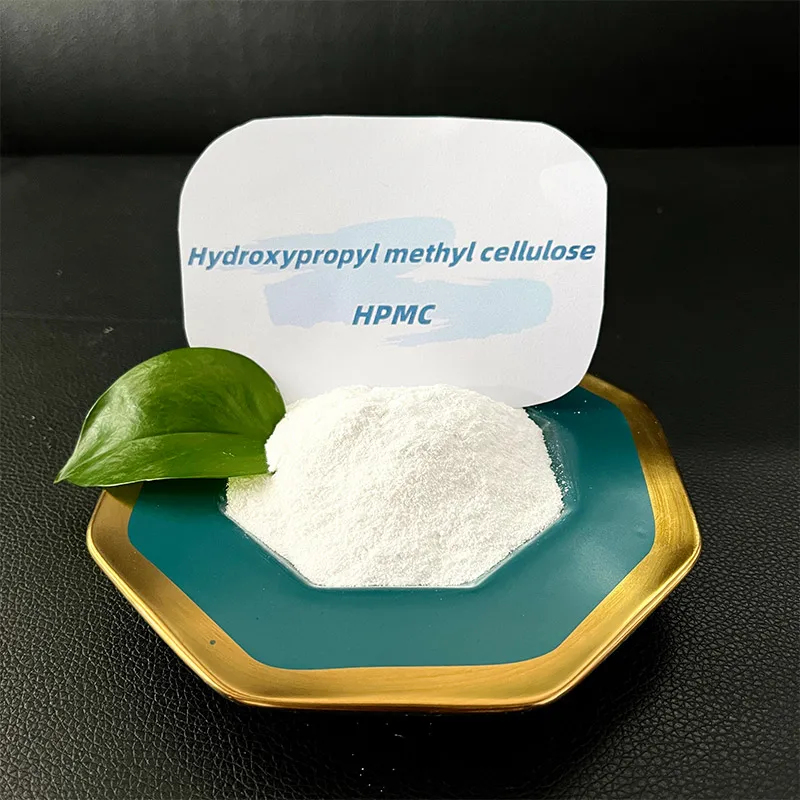
Hydroxypropyl methylcellulose (HPMC) is a multi-functional polymer that garners extensive attention


